
I’m sitting in Alif’s Brew & Mini Mart in West Philly, engrossed in Brit’s stories about the wise and fiery movement elders who have guided her journey with the Black Workers Project. Out of the corner of my eye, I spot Peter from New Sanctuary Movement of Philadelphia walking in, bike helmet in hand. My colleague and partner in Shanell Ransom keeps him company while I wrap up my conversation with Brit, and then I scoot my chair over to join them.
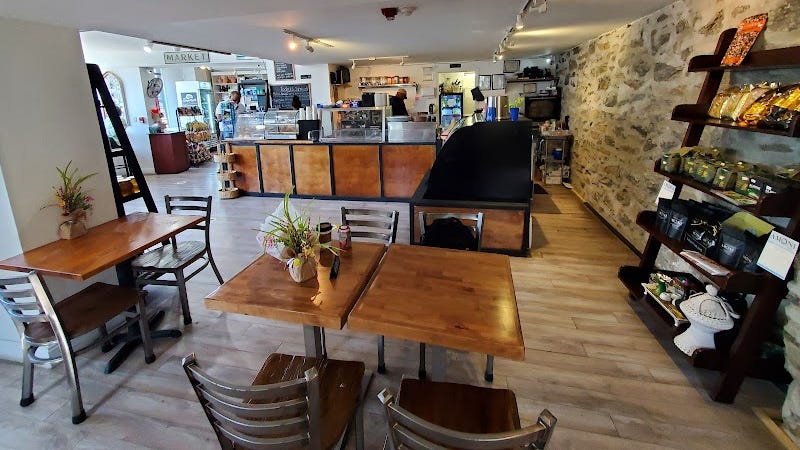
We laugh that it feels a little like I’m speed-dating grantees, but before long, Peter and I are deep in conversation about the courage our respective faiths give us, and whether, and how, it might be possible to kindle the humanity within the hearts of ICE agents.
It’s a warm, sunny afternoon in early September. I’m not new to Philadelphia; in fact, I’ve lived here for seven years. But I am building a new relationship with the city, this time as a local leader and the new President of the Samuel S. Fels Fund. I’m just six weeks on the job, but it has been a priority for me to meet our movement grantees before meeting almost anyone else. They are why I do what I do. I meet them at coffee shops in neighborhoods where many of them live or work, one-on-one, like office hours. It’s casual. I didn’t want to make them come to our office, on our turf. And I also didn’t want to voyeuristically hang out in theirs, as their work is sensitive and their priority is their members, not entertaining me.
After Peter heads out, I stand to stretch and order a fresh cup of coffee. Each thirty-minute conversation has been remarkably different. The distinctions are not only in the kinds of organizations our grantees lead, where they situate themselves within Philadelphia’s movement ecosystems, or the issues and communities around which they organize. What strikes me most is how differently each leader carries the work. Some arrive as fierce warriors, strategists, or defenders. Others are cerebral, deliberate, or contemplative. Some are playful; others are shy. Some are guarded, still sussing me out. As I take in the distinct quirks, qualities, and textures of who they are as people, I settle into what I love most about investing in leaders forged through fire: our people are extraordinary.
Together, they are challenging Philadelphia to become a more just version of itself. They hold our city government, schools, employers, police, and incarceration systems accountable for doing right by the mothers, children, and workers who are too often shut out, imprisoned, dehumanized, and given up on. They point us toward what our city could become if we liberated ourselves from the racial and class hierarchies that rob us all of our full humanity and freedom. The thing is, these extraordinary leaders and teams are doing this work at the very moment when the systems and institutions meant to invest in, nourish, and sustain them are stepping back.
Across the region, leaders and organizations are straining to meet immediate community crises while still trying to protect tomorrow’s possibilities. They are carrying too much, doing too much, and burning out without the space to grieve, reflect, or reimagine. Meanwhile, philanthropy is patching together funding gaps we were never designed to fill, often avoiding the hardest conversations because we do not know enough and do not have a real answer to offer. In that context, as Fels’s new leader, I’ve been asking myself: Who are we? Who do we need to become? And how can we move in this moment?
As I reflect on my first year with Fels, the word that keeps coming to mind is abundance.
Yes, abundance.
Fels is smaller than most people think we are. We are a team of three, a Board of seven, with a small-ish endowment that supports small-ish grants to grassroots organizations. And yet, as a team and organization, we move from a place of abundance.
Abundance is not always about the size of an endowment or team. I’ve been part of and observed plenty of well-resourced organizations with large staff that move from scarcity. Our abundance shows up in the way we care about, trust, and treat one another and our partners as fully human, moving at a human pace and scale. It’s woven into our way of relating to one another and what is possible.
Abundance unlocks.
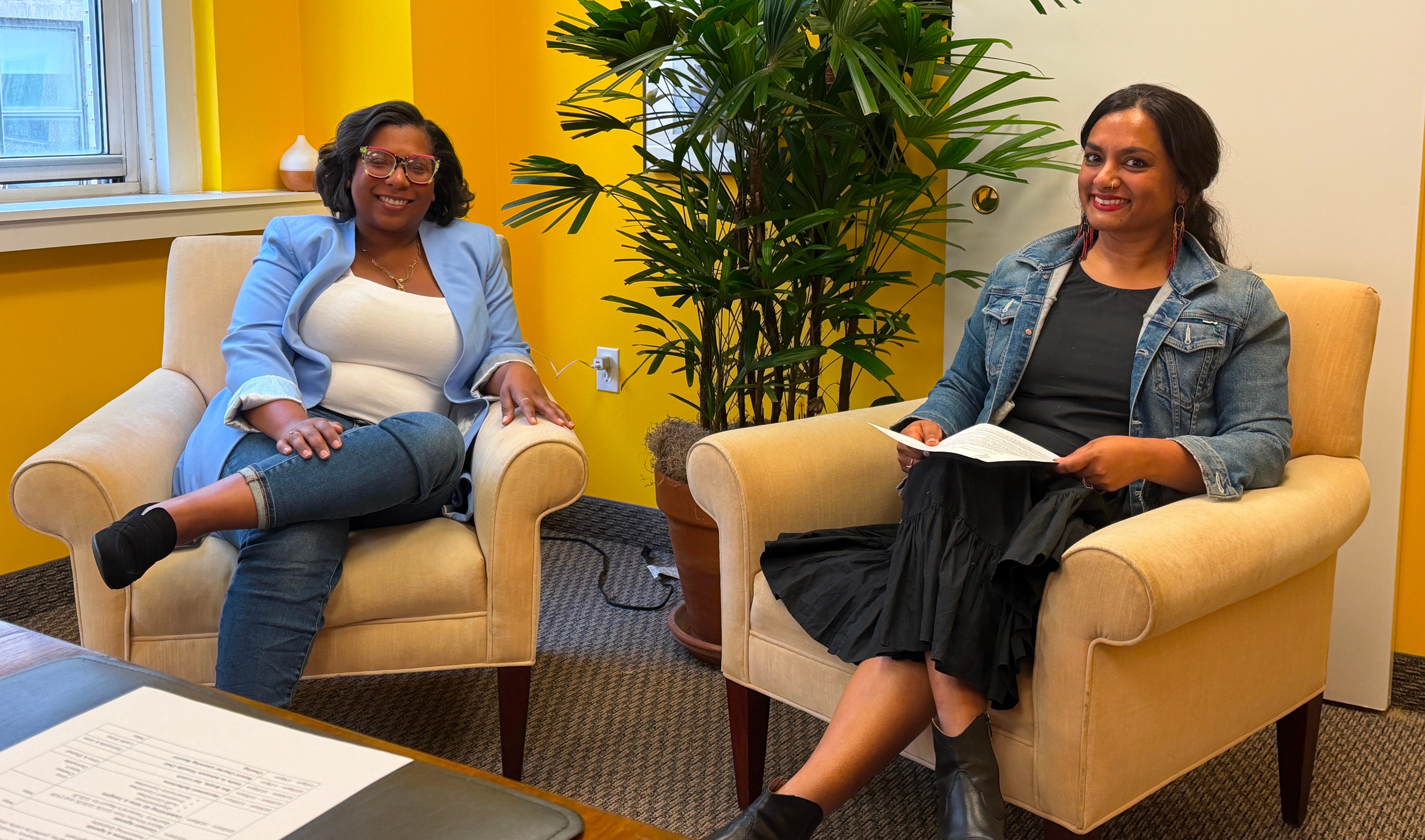
Abundance invites us to respect one another’s distinct perspectives and ways of working, both within our team and in our relationships with partners. It gives us permission to discover our individual voices and visions, and the freedom to try, fail, learn, and try again. It lets us discover “both, and,” and discern the “no, thanks” as we make sense of and seed new possibilities in a context where so much is charged. It gives us grace as we move through conflicts and navigate power dynamics between funder and grantee, Board and President, leader and team. Abundance calls on us to find clarity, imagination, and possibility as the systems and norms and institutions we thought we could transform over time are being corrupted, degraded, and eroded at a pace we cannot match. Abundance invites us to slow down, listen deeply, and lean in, even as we navigate a vast, churning ocean of change in a small boat. When we enter from a place of shared humanity, with care, humor, and human stories, we begin to ask different questions: What brilliance is already here? What have people been holding together without enough support? What might become possible with greater capacity, clearer alignment, or more room to create?
Abundance gives us the capacity to move together – from a place of strength, with trust, and in alignment with one another.
Entering a Strong Organization
I re-read The First 90 Days about a week before my first day on the job. Michael Watkins argues that a leader’s first responsibility is to diagnose before prescribing – to understand the organization before rushing to change it. As I reflected on that advice, I realized there was another leadership expectation I wanted to resist. There can be an unspoken pressure on new leaders to prove their value by quickly identifying everything that is going wrong. Sometimes it can feel as though we must first convince ourselves – and others – that an organization is deficient before we have the permission to lead it. The thing is, as I’ve explored the nooks and crannies of who the Fels Fund is, what we do, and how we do it, I’ve discovered just how much is already going right.
I stepped in to lead an extraordinarily committed, creative, and caring team. Shanell Ransom and Michelle Currica have stewarded our organization through significant transitions with care and skill. They’ve carried invisible responsibilities well beyond what most people can see from the outside. They know the contours and rhythms of the organization and how we move in relationship with our grantee partners and philanthropic peers, navigating Philadelphia’s complex civic, community, and movement landscape. I was welcomed by a deeply committed Board with longstanding community relationships and a genuine willingness to grow, and to be challenged alongside me. I have spent years advocating for things I haven’t had to advocate for at Fels. My team, our Board, and our partners already understand the work, believe in it, and have been doing it. I have found an organization that trusts people and invests meaningfully in their well-being, dignity, and leadership. We invest grant dollars, create restorative experiences, and encourage our philanthropic peers to join us in supporting wellness and leadership. Through rest and play, grief and laughter, we can let go of performance and make room for real growth. We can make mistakes that lead us down new paths. We can disagree, repair, and rebuild together.
This is the leading edge of good philanthropic practice, and we aren’t casual about it.
Trust & Permission
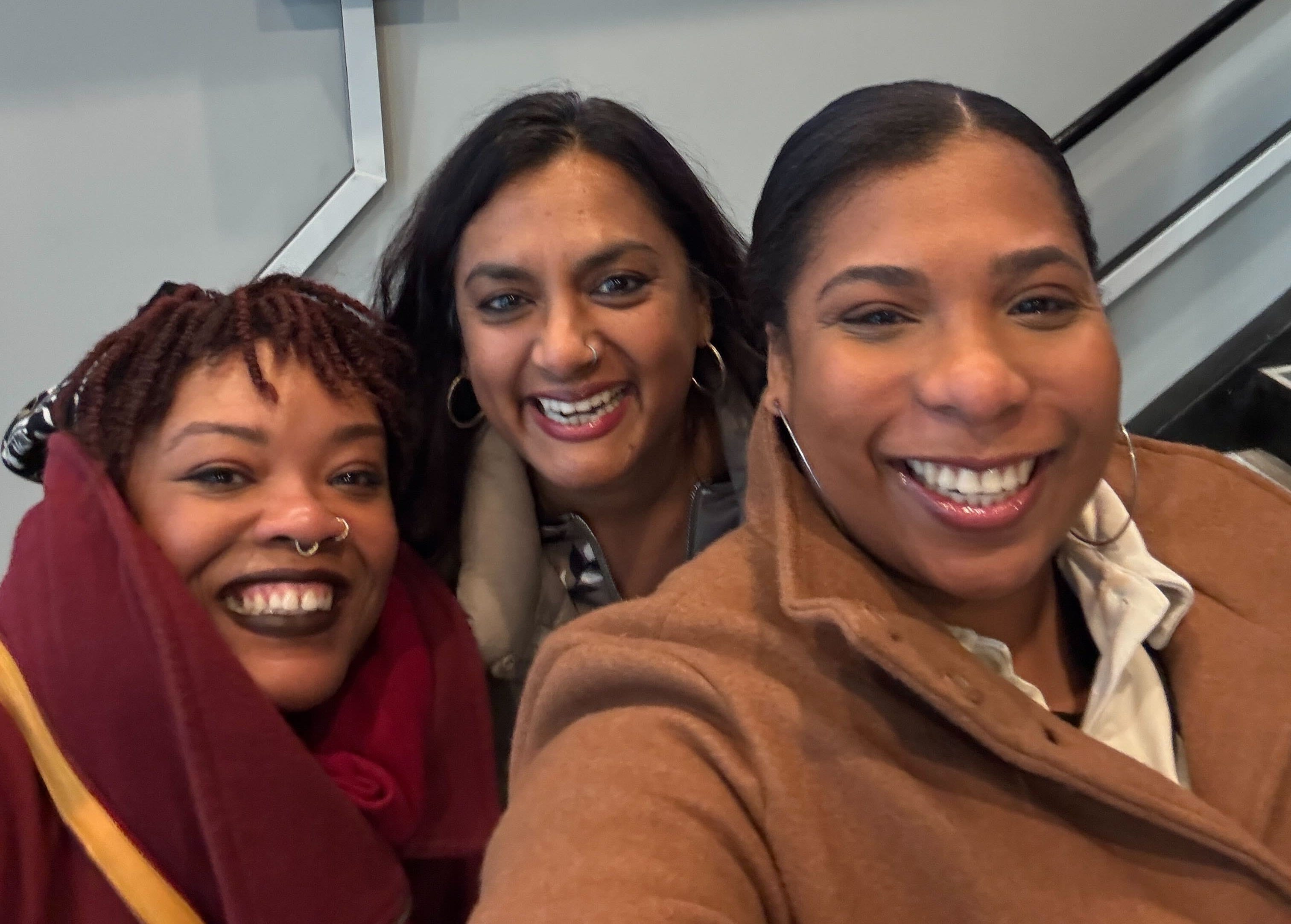
I was fortunate to join an organization willing to learn alongside me as a new leader with a different style and fresh take on things. I am equally lucky to work with a Board that is committed to supporting my success. That doesn’t mean they don’t ask questions, push back on me, challenge me, or change me. It definitely doesn’t mean we agree on everything. But we are willing to evolve with each other. In conversations with other women and leaders of color who have stepped into executive roles, I have heard a painfully different story than my own.
Women of color are often elevated into authority only after an institution has entered crisis, a pattern often described as the glass cliff. We are then expected to repair years of accumulated harm while simultaneously proving, often under extraordinary scrutiny, that we are the right person for the role. We are often not trusted to lead in our own way, at our own pace. We are asked to mold ourselves into a pre-existing notion of what leadership looks like, to serve and cater to other people’s expectations of us. It can be camouflaged through terms like “collaboration” and “cultural fit,” but whether consciously or not, it’s about limiting our mandate. I didn’t spend my first year at Fels making a case about what I saw needed to happen. I was never asked to prove I deserved to be here. I have to be clear and communicate effectively about what I see, and where I want to take us. Then, I can just move.
It’s a frosty December morning as our Board members begin to trickle in, the last one slipping through the door at 9:31 a.m. It’s only my second Board meeting, and this is a Big and Important one. Until now, I’ve had the space to be the new leader, to onboard, listen, learn, and diagnose. Today, I’m presenting my vision for 2026, along with a budget for the Board’s approval. The team has been on a strategic crash course with me all fall. They pivoted quickly, from downloading decades of context about our organizational history, practices, and strategies to making choices and co-shaping our story and priorities for the year ahead. They have never planned this way before: beginning with the story rather than the tactic, leading with the why, and then determining the resources required. We have picked up a few bruises along the way as we learn how to listen and speak to one another and how to remain curious together. We are abundant, yes, but we must also continually negotiate our priorities within the finite limits of our time, team, and resources. We are learning to stand firmly in what we know while being honest about what we have yet to discover.
After all that work, we find ourselves sitting with our Board, (mostly) aligned around the story we want to tell about our next chapter together.
I know that nearly everything I’m presenting to the Board is unfamiliar to them. They aren’t accustomed to seeing annual goals framed through storylines. I’ve also restructured our budget so that our spending follows that story, carving out an entirely new category for impact work that falls outside grantmaking, beyond the grant, and operations: storytelling and influence, and evaluation and learning. These are areas I know, in my gut, that we need to build. I stand firmly in that conviction while remaining open to the questions the Board brings. I’m prepared for my vision to be challenged and tested. They are feeling out the contours of my leadership as they get to know me, as they should.
The thing is, I am also learning the contours of theirs. Will I have to prove the value of my decades of experience before they trust the new ideas I’m bringing forward? Will they have confidence in the tacit knowledge I’ve gathered through hundreds of investments in social change, years working in philanthropy, and the insights my team has surfaced alongside me? And how will their perspectives and diverse lived experiences shape the questions, hesitations, curiosities, and contributions they bring?
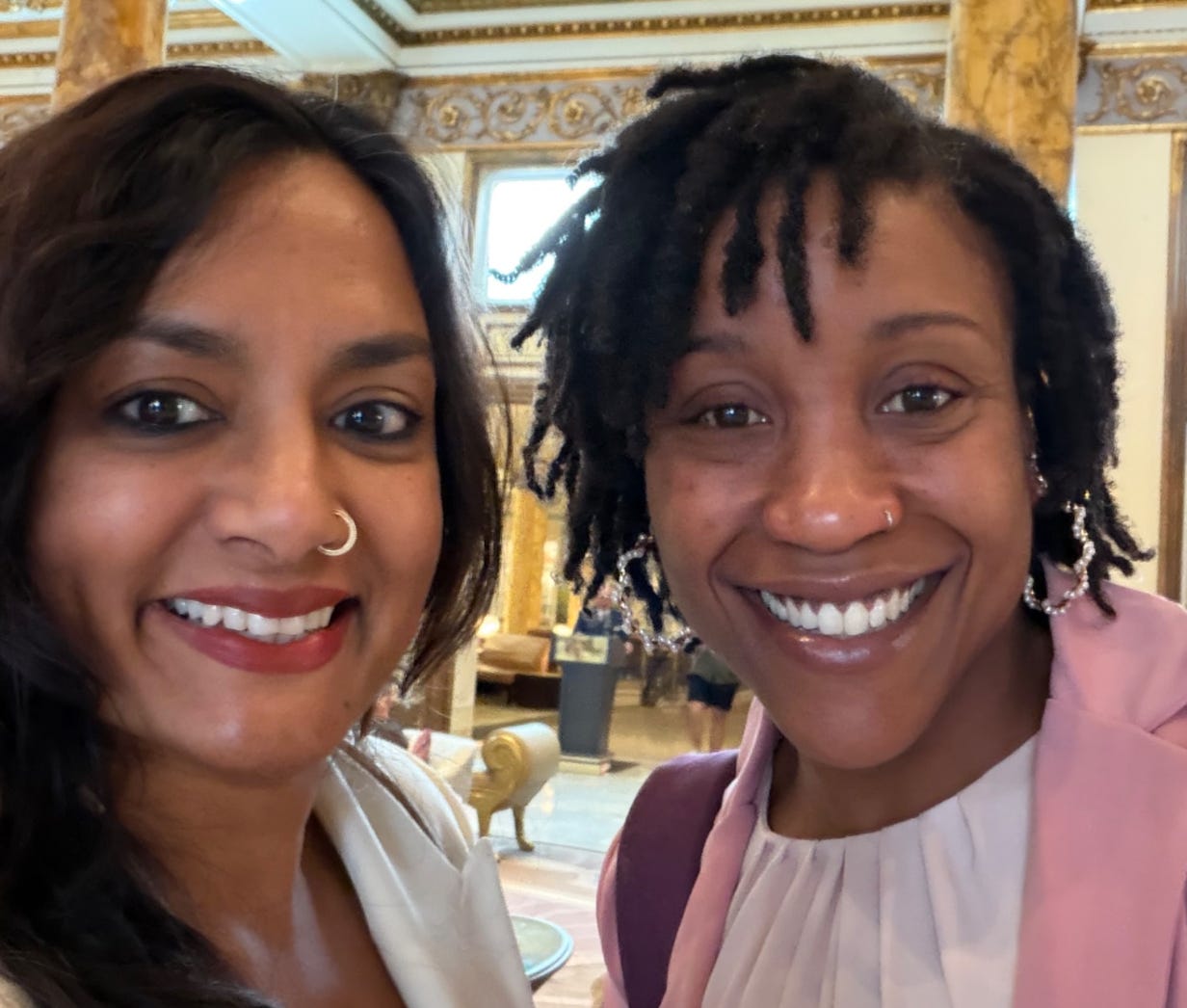
As I reflect back on this first year, I have been thinking about the idea of permission. Many leaders spend years advocating for trust, flexibility, shared power, and more humane organizational practices. Then, when we enter positions of greater authority, we can feel pressure to abandon those commitments. The structure and norms of our Boards, often unexamined, cause us all to contort ourselves to suit legacy, when past ways of being and doing may not serve who we are becoming. The position of leadership itself seems to demand we are certain before we act, even though the world itself isn’t certain. It can stifle our willingness to be bold and innovative until we can prove ourselves capable. It asks us to be hard in the face of harsh realities, when sometimes a gentle touch is enough.
As it turns out, they trust me to lead.
The trust I have received from the Fels team and Board has allowed me to move decisively, and to move our organization forward with both speed and adaptability. As the leader of Fels:
- I can move with conviction and remain open to being changed.
- I can make a decision and continue listening.
- I can acknowledge a mistake, invite repair, and keep us going.
- I can act quickly when movement is needed and slow down when speed would damage the people or relationships carrying the work.
The budget doesn’t pass that day. It passes a couple weeks later, after the Board gives me a cap and asks me to balance our spending rate while staying true to the vision I’d engaged them around. I am trusted by them to lead us and they are playing their role as accountable stewards. I find a way to jiggle some loose change from our lean and focused budget, maintaining our pre-existing commitments to grantmaking without sacrificing the space we need to experiment. Somehow it works out.
Trust is not a blank check. It asks me to be transparent about my reasoning, clear on the why, and willing to remain honest about the consequences of a decision. And trust is not the absence of disagreement. It is the confidence that disagreement will not rupture the relationship. Trust has taken root surprisingly quickly, allowing us to keep talking until we truly understand one another. It has enabled my team to follow me before they could fully see where I was leading them, and it has nudged me to follow them even when I did not yet understand the terrain we were navigating.
That trust has also made room for my team and Board to push back when I was moving too quickly, when the dots did not yet connect, or when they simply needed a pause from so much change.
That kind of trust creates movement.
One year ago, I wrote:
“I am eager to invest in people who have skin in the game because their cause isn’t about someone else’s life over there. It is about their own freedom and dignity and that of their own neighbors. It is about honoring what their own ancestors fought for – whether they escaped here from a Southern plantation, emigrated from another country, preserved their land and heritage, or ensured we all had the right to vote. It is about the stories of what used to be better, and what we’d rather not go back to. It is about dreaming of and building the bright future that our great grandchildren will want to inherit.”
I am here for the people who continue to organize, imagine, and build, even when this country’s institutions were not designed with them in mind. Our role as a movement funder differs from those of the movements we support, as does the power we hold. Still, we are all shaped by the same histories, bound by the same relationships, and invested in what becomes possible next.
Our work is to build an institution capable of moving alongside movements, learning from them, responding to them, and understanding itself as accountable to the same place and the same future.
As we live more fully into that understanding of “what does it mean to be a movement funder,” abundance moves us.
XoXo,
Uma